As Birth Rates Fall, ICE Deportations Further Drain Public School Enrollment
By Billy Briefman · November 6, 2026 · 2 min read read
Category: News & Politics
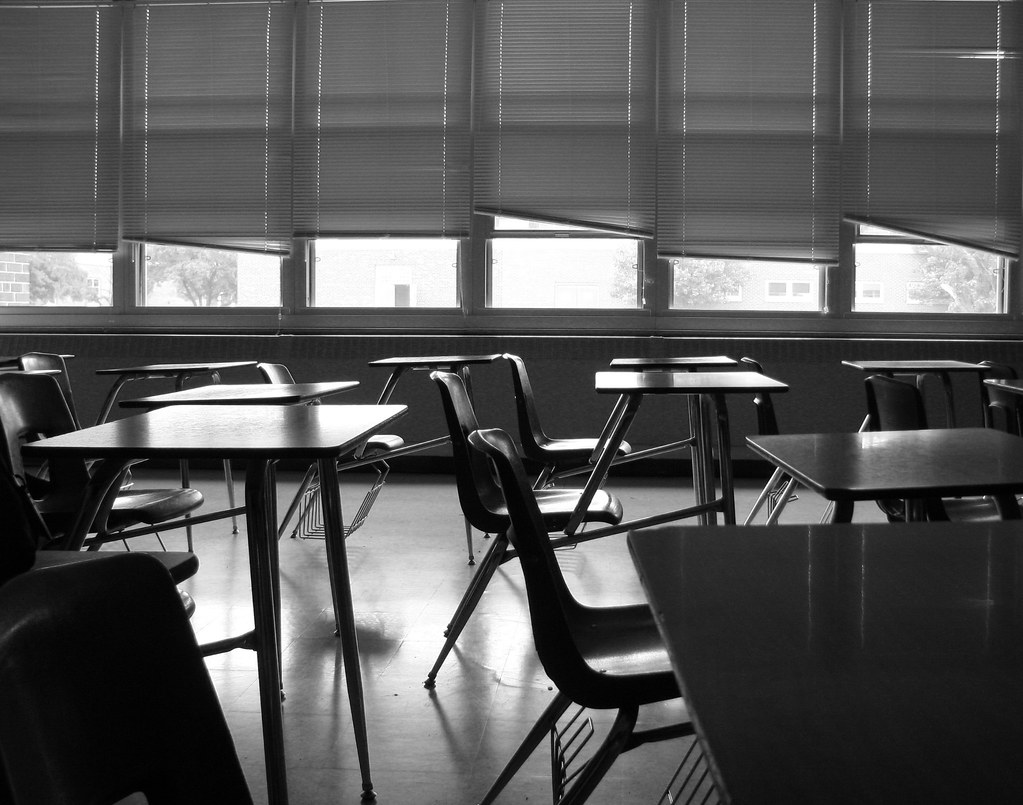
Deportations Accelerate Enrollment Declines In Public Schools Already Facing Low Birth Rates Originally reported by NPR News. NPR News U.S. Immigration and Customs Enforcement deportations now...
Deportations Accelerate Enrollment Declines In Public Schools Already Facing Low Birth Rates
Originally reported by NPR News. NPR News
U.S. Immigration and Customs Enforcement deportations now exacerbate a nationwide public school enrollment crisis originally sparked by a decade of declining birth rates, according to reporting from NPR News.
School districts across the country face a dual threat to their student populations as federal immigration enforcement intensifies. While administrators previously focused on demographic shifts and smaller kindergarten classes, the sudden removal of families from communities creates immediate vacancies that further strain school budgets and staffing levels.
Demographic Shifts Meet Policy Changes
Public schools have navigated a steady decline in student numbers for years due to a falling national birth rate. This trend forced many districts to consider school closures or consolidations as the "baby bust" reached elementary classrooms. However, the recent surge in ICE activity introduced a new, unpredictable variable into enrollment projections.
According to NPR News, the impact of deportations extends beyond the students directly removed from the country. The fear of enforcement actions often leads remaining families to withdraw their children from school or relocate to different jurisdictions, further hollowing out classrooms in immigrant-heavy neighborhoods.
Impact on School Funding
Because most states tie school funding directly to average daily attendance or total enrollment counts, the loss of students results in immediate financial consequences. Districts losing students to both demographic trends and deportation actions face significant revenue shortfalls.
These losses often hit Title I schools and urban districts the hardest, as these institutions frequently serve the populations most affected by immigration enforcement. Administrators must now balance the long-term reality of fewer children being born with the short-term volatility of federal immigration policy.
This article is based on reporting originally published by NPR News. Channel RVA provides this coverage with additional local context for the Richmond community.