What Big Dub Gets Right About Festival Culture
By Kayla Putman · August 4, 2026 · 5 min read read
Category: Arts & Culture
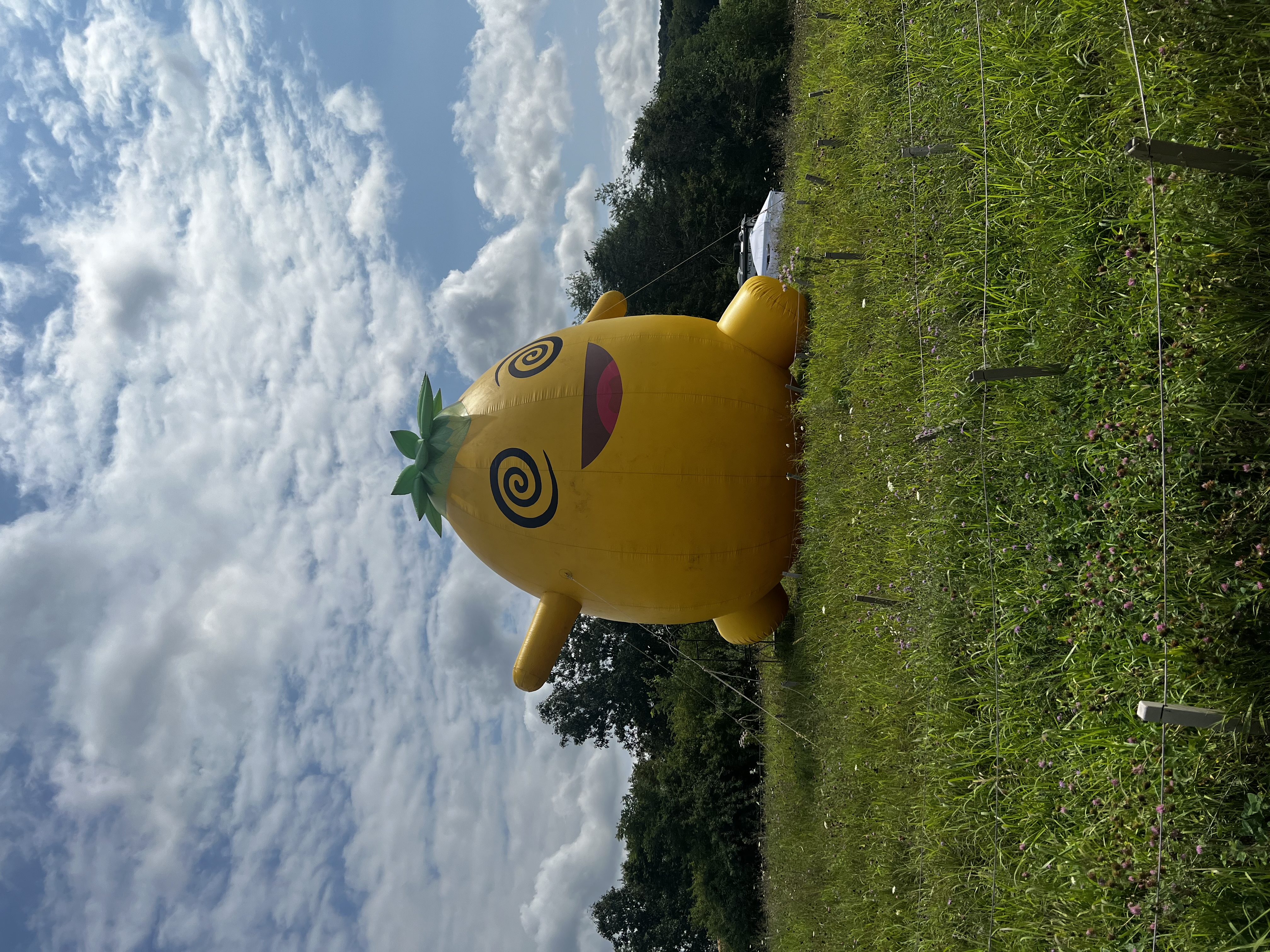
The Pennsylvania festival has become a gathering place for the Mid-Atlantic EDM community, offering a different vision of what electronic music events can be.
ARTEMAS, Pa. — After winding through the Blue Ridge Mountains and crossing into the corner of Pennsylvania where Four Quarters Farm sits tucked between the mountains, the first thing I noticed about Big Dub Festival was what it lacked.
There were no influencer meetups. No oversized corporate activations. No endless rows of branded experiences competing for attention. For a festival that has sold out year after year for nearly two decades, Big Dub felt remarkably uninterested in chasing many of the trends that have come to define modern electronic music festivals.
That isn't because the festival is behind the times. It's because Big Dub was built around a different philosophy.
As electronic dance music has grown into a billion-dollar industry, many festivals have expanded alongside it. Larger attendance caps, larger production budgets and larger corporate partnerships have become the norm. None of those things are inherently bad; without that growth, many people would never have discovered electronic music in the first place. But growth often changes culture, and festivals that began as gatherings for niche communities now operate more like major entertainment properties.
Big Dub has resisted much of that evolution.
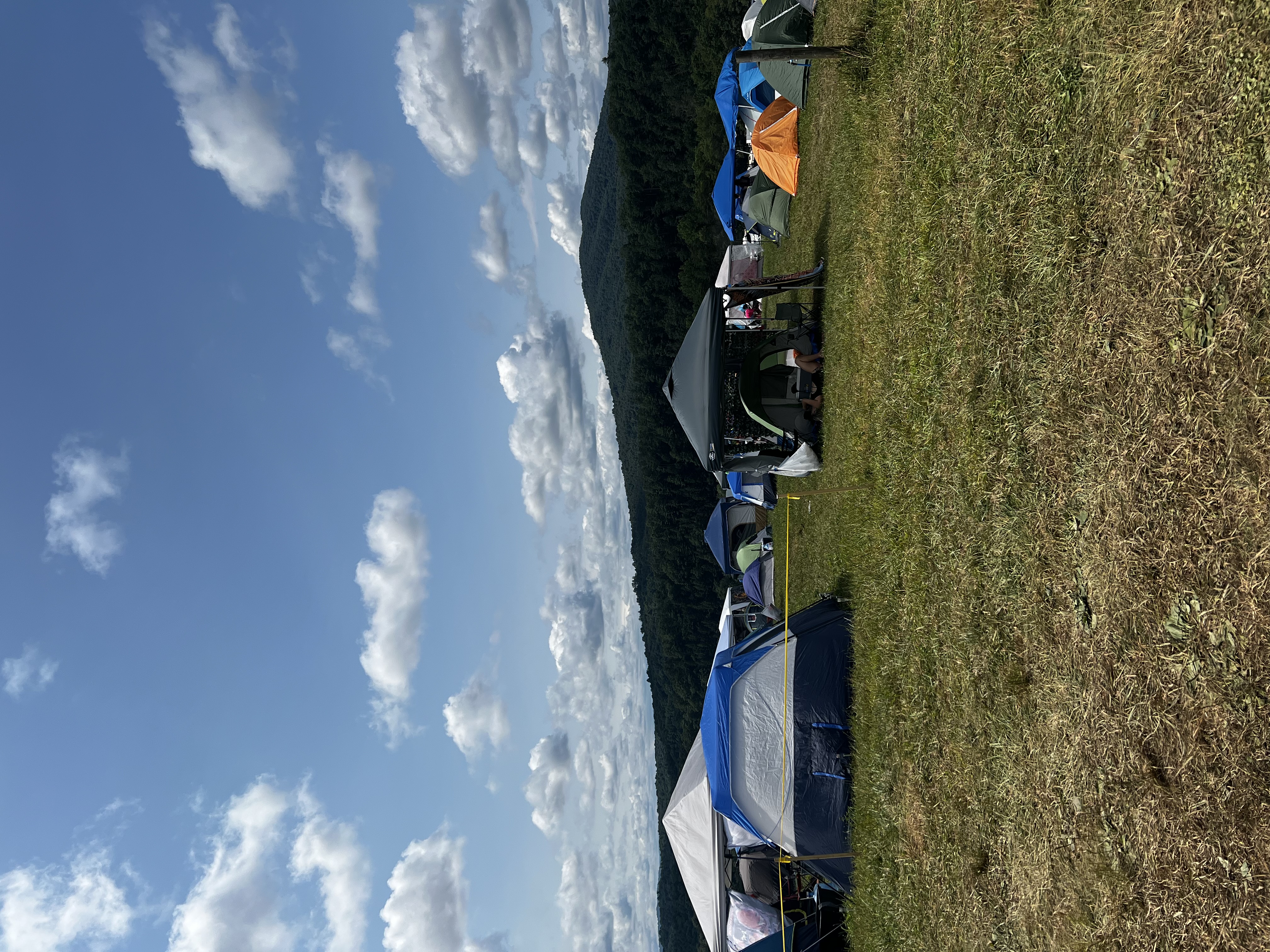
Held each summer at Four Quarters InterFaith Sanctuary in south-central Pennsylvania, the festival has quietly built a reputation throughout the Mid-Atlantic for prioritizing participation over consumption. After spending two days on the mountain, it became clear that the festival's identity isn't defined by its lineup alone. It begins with the land itself.
According to the Four Quarters welcome handbook provided to attendees, the 200-plus-acre property operates as a nonprofit interfaith sanctuary supported by members and volunteers rather than private ownership. At the center of the property sits the Circle of Standing Stones, which also serves as Big Dub's main stage. The stone circle wasn't installed by a production company. It has been built over decades through volunteer labor, one stone at a time.
Once you understand the philosophy behind Four Quarters, the rest of the weekend begins to make sense.
The steep terrain isn't something organizers have engineered away. Walking between stages often means hiking up and down mountainsides or catching shuttle buses that weave through the campgrounds. Amenities exist, but convenience isn't the defining feature of the experience.
The land offers refuge, but it also asks something in return.
One evening, my brother Eric and I wandered into what we assumed was a private campsite gathered around a ceremonial fire. At almost any large commercial festival, we would have expected to be turned away or asked to show a wristband.
Instead, someone invited us to sit.
They explained that the fire gathering returns every year as part of their contribution to Four Quarters and to the people camping there. Nobody was selling anything. Nobody was checking credentials. The space existed because its organizers believed it should.
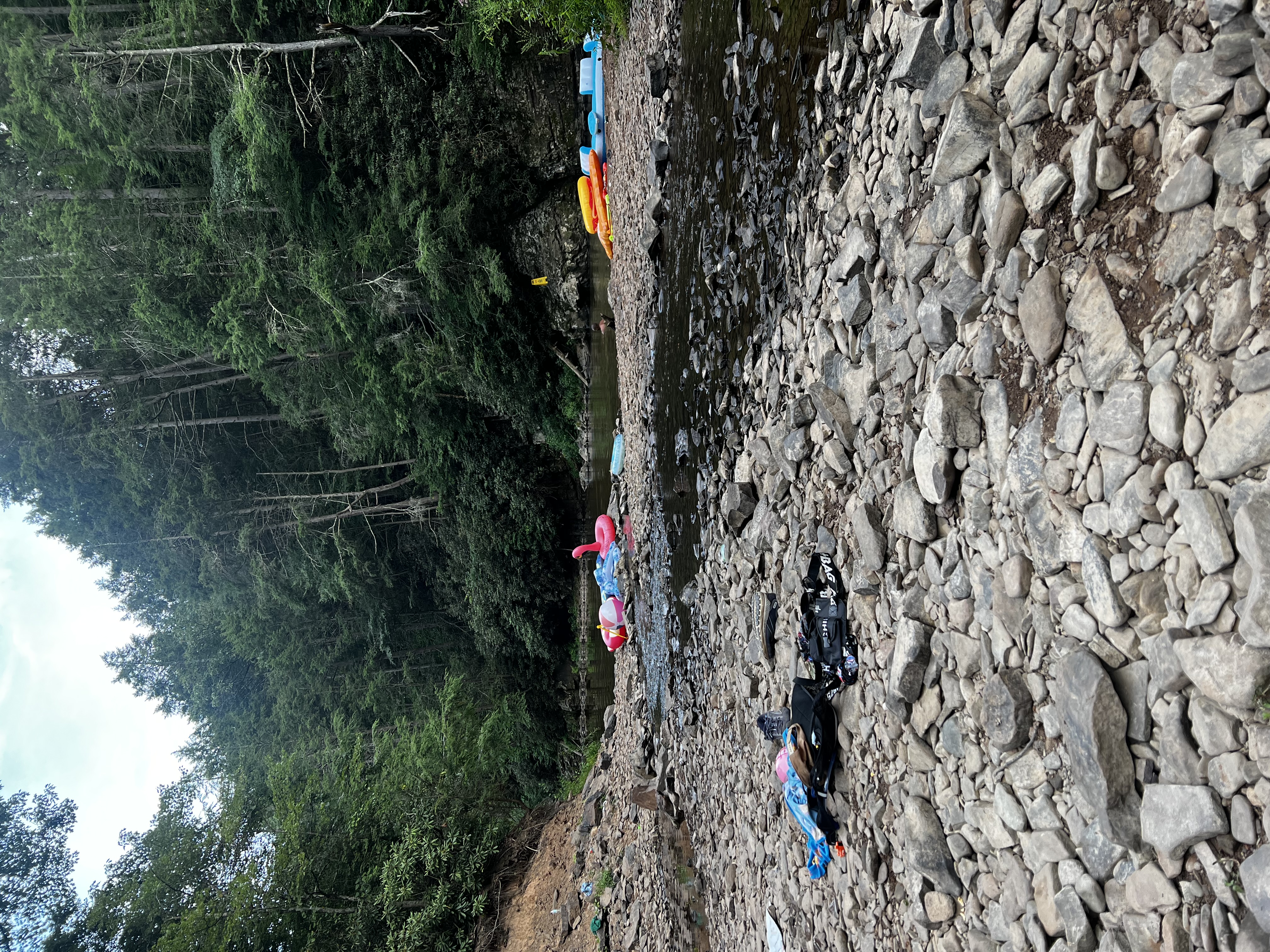
Throughout the grounds, attendees shared food, handmade art, shaded seating areas and even massages by the creek without the transactional mindset that often accompanies large-scale festivals. The culture operated more like a neighborhood where everyone understood that contributing something—whether time, labor or hospitality—helped sustain the experience.
That same philosophy was carried throughout the entire weekend.
Organizations like DanceSafe maintained a visible presence, reinforcing harm reduction as part of the festival rather than an afterthought. The lineup paired internationally recognized names including Mersiv, Ahee, Infekt and Eptic with the local and regional artists who have helped define the Mid-Atlantic electronic music scene.
While headliners may sell tickets, the regional talent gives Big Dub much of its identity. Artists from Virginia, Maryland, Washington, D.C., New Jersey and beyond shared the lineup, reflecting the depth of the Mid-Atlantic scene. Virginia artists including Dizfunktion, Karuza and Baecardi D showcased the sounds emerging from Richmond and Hampton Roads alongside nationally touring acts.
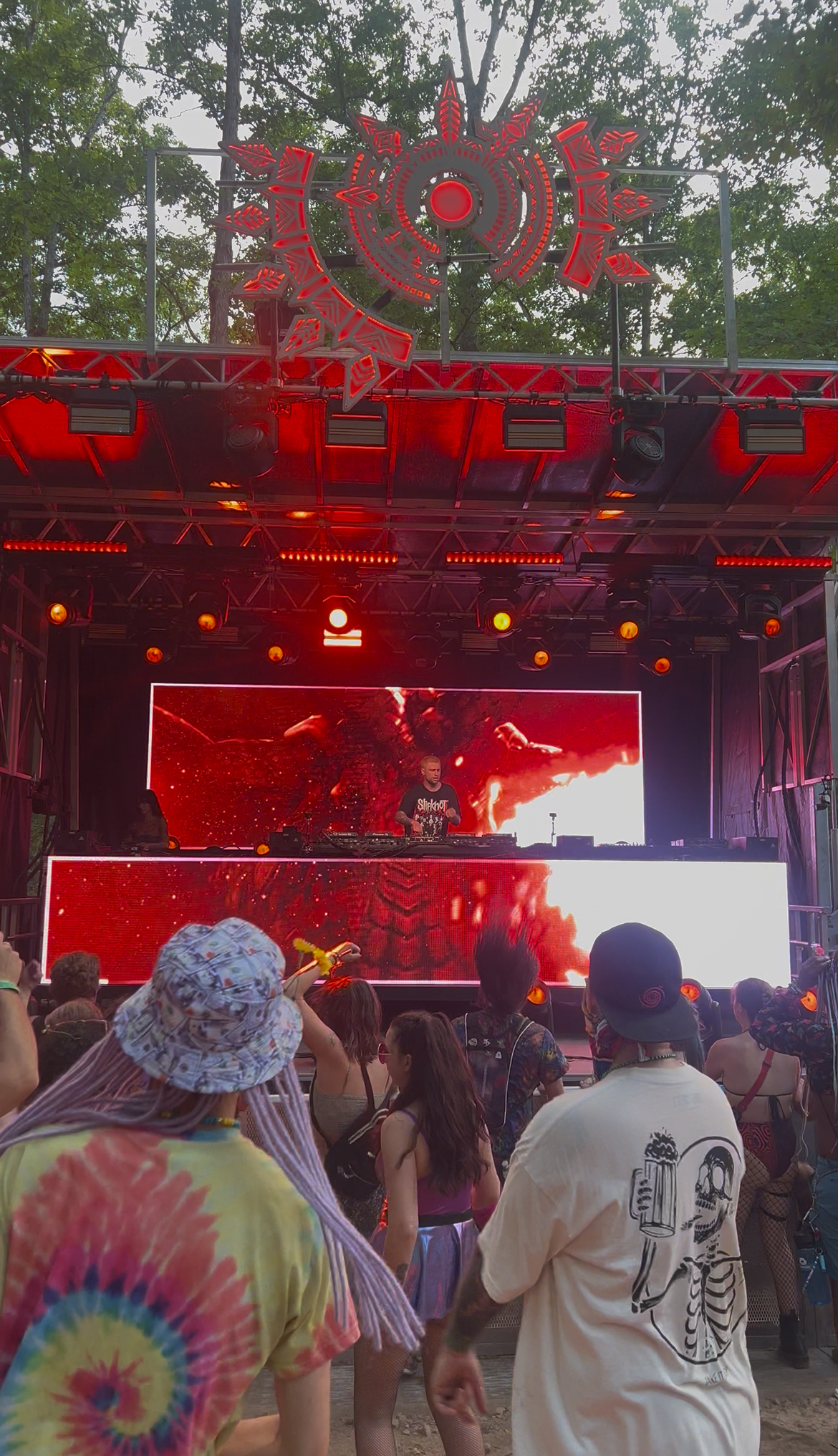
Perhaps the clearest reminder of Big Dub's place within rave culture came during Dieselboy's set.
A woman walked over, danced with us for a few minutes and mentioned, almost in passing, that she had been raving since 1992.
The comment wasn't remarkable because of her age. It was remarkable because of where she chose to spend her weekend.
Someone who has witnessed more than three decades of American rave culture still found value in returning to Big Dub.
That raises a broader question about where electronic music culture is headed.
As EDM continues expanding into stadiums, destination festivals and increasingly commercial experiences, there is growing debate about what parts of rave culture survive that transition. Big Dub doesn't pretend to answer that question, nor does it reject growth altogether. Instead, it offers an alternative model—one where attendance remains intentionally limited, volunteers remain central to the experience and the festival reflects the values of the place hosting it rather than asking the place to conform to the festival.
Two days wasn't enough time to experience everything Big Dub has to offer.
It was, however, enough time to understand why the festival inspires the kind of loyalty that can't be measured by ticket sales or production budgets. In an era when bigger has become the industry's default metric for success, Big Dub suggests another metric worth paying attention to: whether a festival still belongs to the community that built it.