Where Did Hampton Roads’ Big EDM Shows Go?
By Kayla Putman · September 8, 2026 · 8 min read read
Category: Arts & Culture
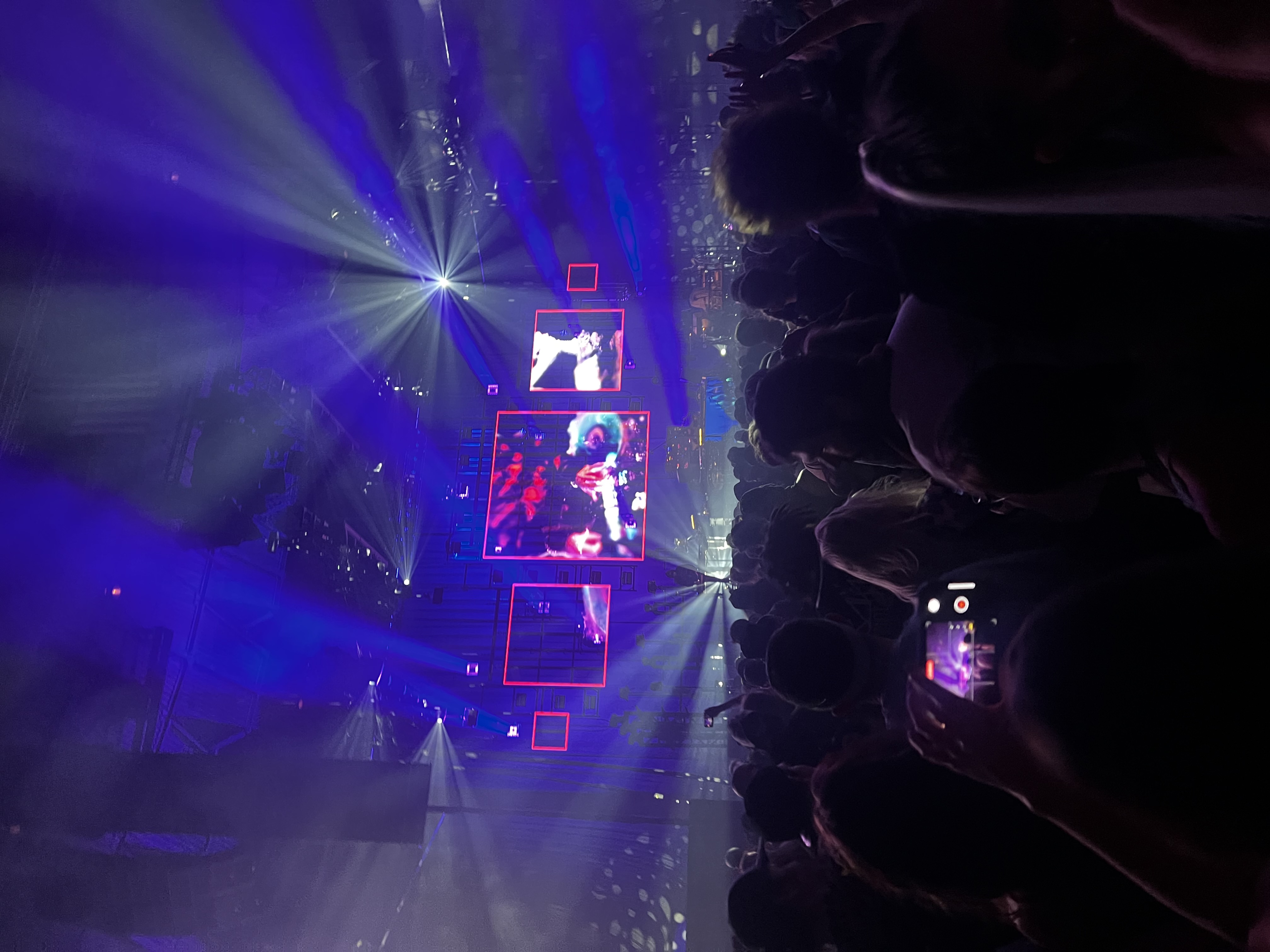
Hampton Roads still has an electronic music scene. But the large-scale events that once made the region a destination for EDM fans have become harder to find.
For years, Hampton Coliseum was one of the defining venues for electronic music in Hampton Roads.
The “Mothership” hosted some of the biggest names in electronic music, from Excision and Zeds Dead to GRiZ, Ganja White Night and others.
Excision brought his APEX Tour to Hampton in 2019 for Excision Presents The Coliseum, a lineup that included SLANDER, Sullivan King, Wooli and other prominent bass acts.
GRiZ's Space Camp became another major stop on the Coliseum's electronic calendar. The first Space Camp in December 2021 sold out, with a lineup that included CloZee, LSDREAM, Liquid Stranger and others. GRiZ returned to the Coliseum for Space Camp again in 2022, this time with NGHTMRE, G Jones, Of The Trees, Zingara and A Hundred Drums.
Zeds Dead brought Deadbeats to the Coliseum for two nights in 2024 and returned for a two-night Second Contact event in November 2025.
That history is important because the question isn't whether Hampton Roads has ever supported large-scale electronic music.
It clearly has.
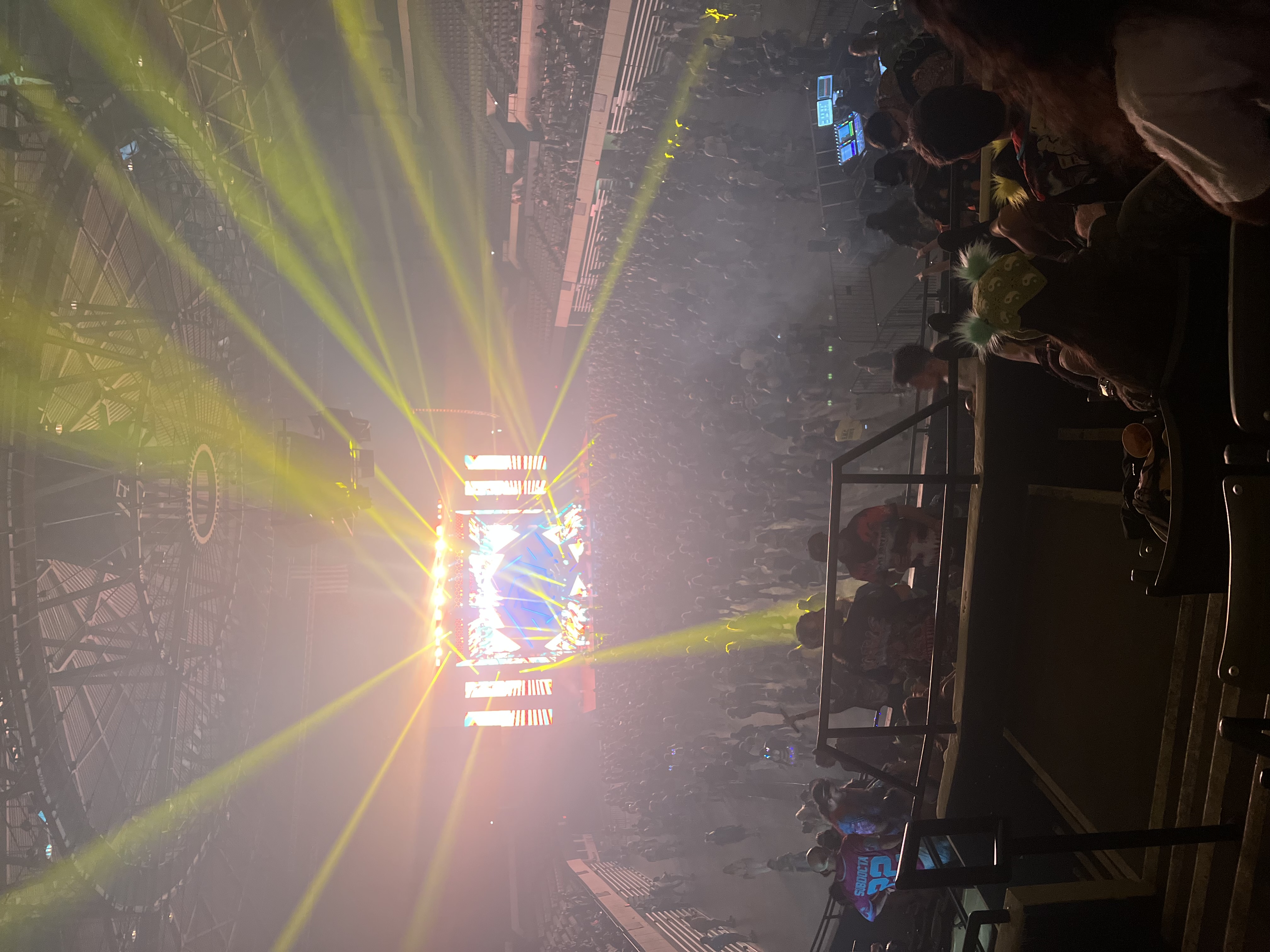
The question is why that relationship appears to have changed.
As of Sept. 8, the Hampton Coliseum's publicly listed schedule has no large-scale EDM event remaining in 2026 and no 2027 EDM date currently listed. The venue continues to host major concerts and other large events, so the issue is not a lack of overall programming.
That raises a question that has been circulating among Hampton Roads EDM fans:
What happened to the big shows?
The economics of the Mothership
Nick Galotifiore, who works on the promoter side of the local electronic music scene through IGG Live, said the biggest factor is simple: money.
“It ultimately comes down to money,” Galotifiore said.
He pointed to attendance, the Coliseum's location and the overall experience of traveling to Hampton as factors that have made the venue less attractive for large electronic events.
Galotifiore said he believes attendance at many Coliseum events over the past two years has been below the level needed to make those shows financially viable. His estimates were not independently verified.
A large electronic show carries costs beyond the artist's performance fee. Promoters have to account for venue rental, production, staffing, insurance, marketing, ticketing and other expenses.
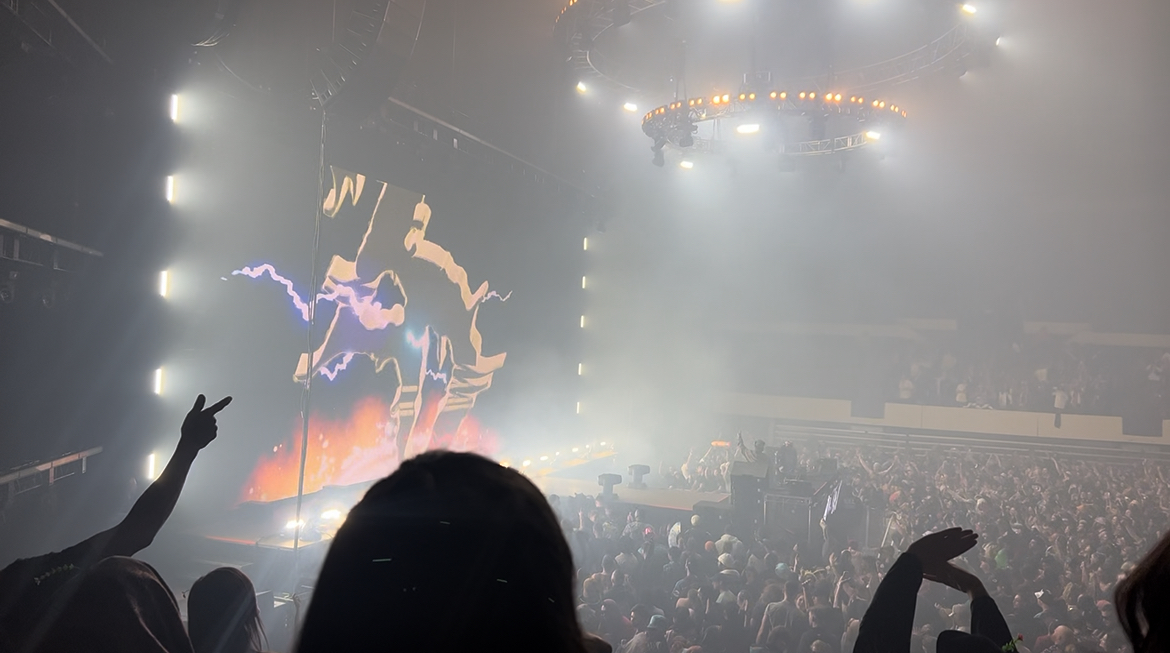
If ticket sales do not cover those costs, a large venue can become a liability rather than an advantage.
Galotifiore also believes the Coliseum has lost some of the appeal that once made fans willing to travel there.
“The magic of the venue has disappeared,” he said.
That's one promoter's assessment, but it raises a larger question about the role of location and experience in today's touring market.
Is the Coliseum experience part of the problem?
Security is another recurring point of frustration among some Hampton Roads EDM fans.
The Coliseum's policies have changed over the years, and some of the restrictions at recent electronic events have been significant.
At Zeds Dead's 2024 two-night run, for example, the venue prohibited totems, flow toys, glow sticks, hula hoops, laser pointers and other items that are common within electronic music culture.
I've experienced the difference firsthand.
At one Coliseum afters event, an LED hoop I planned to use as a flow prop was confiscated during security screening. I eventually found a staff member who returned it after I explained what it was for.
That one experience obviously doesn't explain the Coliseum's attendance numbers.
But when you're trying to understand why a venue that once felt synonymous with electronic music no longer appears to be attracting the same level of touring activity, the audience experience is worth examining.
What does the fan experience look like from the moment someone decides to buy a ticket until the moment they leave?
And does that experience make people want to come back?
Then there's Virginia Beach.
The Coliseum isn't the only place where the conversation gets complicated.
Virginia Beach has a completely different event ecosystem, but the city has the infrastructure to host large crowds and national touring artists.
The Oceanfront continues to host concerts, festivals and other major events, including the city's 2026 Oceanfront Concert Series.
The city also currently identifies Beach Events as its contractor for entertainment events in the Oceanfront resort area. Beach Events is produced by IMGoing and has dedicated staff responsible for booking, production, marketing and patron services.
So the question isn't whether Virginia Beach can host large events.
It can.
The question is why independent, large-scale, ticketed EDM events don't appear to have the same access to the Oceanfront that they once did.
Who decides what gets programmed?
What does it take for an independent promoter to produce a ticketed electronic event there?
How much do seasonality, permitting, public safety, noise and city policy factor into those decisions?
Those are questions I am still seeking answers to.
Are people still willing to travel for EDM?
This might be one of the biggest questions in the entire story.
One argument for the decline of large Hampton Roads shows is that fans aren't traveling the way they used to.
But there's a pretty obvious counterexample happening in Virginia right now.
GRiZ's Seven Stars festival is returning to Oak Ridge Farm in Arrington, Virginia, in October for a three-day camping festival. GRiZ is scheduled to perform all three days, with a lineup that includes Ganja White Night, Subtronics, Of The Trees, CloZee, LSDREAM, Crankdat, Daily Bread, Tape B and dozens of other electronic artists.
Arrington is not Hampton.
It's not Virginia Beach.
For many people in Hampton Roads, getting there means making a weekend out of the trip.
And people are doing exactly that.
That doesn't prove that Hampton Coliseum would sell out tomorrow if it booked a major EDM act.
But it does challenge the idea that electronic music fans have simply stopped traveling.
Maybe the audience isn't gone.
Maybe the audience is choosing different experiences.
And then there's the Live Nation question.
I've also seen discussion among local fans about whether Live Nation's growing presence in Virginia — particularly through the Allianz Amphitheater in Richmond — has changed the way artists are routed through the region.
I'm not prepared to say that Live Nation controls the Hampton Roads market, and I don't think the existence of a Richmond venue is enough to make that conclusion.
But Live Nation's role in the broader concert industry is difficult to ignore.
The company operates venues, promotes tours and has relationships across the live music ecosystem. That makes its regional footprint worth understanding when looking at how artists and tours move through Virginia.
At the same time, the local concert business involves far more than one company. Local promoters, national promoters, venues, booking agents, artists and tour managers can all play a role in determining where a show goes.
The more useful question is not whether one company “controls” Hampton Roads.
It's whether the relationships and economics behind the modern touring industry have changed the opportunities available to local promoters and venues.
That is something I would rather investigate than speculate about.
The scene isn't gone
It would be easy to look at the Coliseum calendar and conclude that Hampton Roads has lost its EDM scene.
The evidence doesn't support that.
Electronic artists continue to perform throughout the region at venues including Peabody's, The NorVa and other local rooms.
The audience is still here.
The promoters are still here.
The artists are still coming.
And Virginia is still attracting people who are willing to travel for electronic music.
What appears to have changed is the scale and location of the experience.
There is a difference between an EDM artist playing a club or theater and a major touring production bringing thousands of people into Hampton Coliseum.
There is also a difference between a one-night arena show and a destination festival where fans intentionally travel, camp and spend an entire weekend immersed in the scene.
Hampton Roads has proven that it can support both.
The question is whether it still has a pathway for the first one.
So what happened?
That is the part I don't have an answer to yet.
The numbers matter. The cost of putting on a major show matters. The venue matters. The way fans experience that venue matters. So do promoters, booking decisions, tour routing and the policies that determine where large events can happen.
But none of those pieces, by themselves, explain why a market that once regularly hosted artists like Excision, Zeds Dead and GRiZ now has so few large-scale electronic shows on the calendar.
And that is what I want to find out.
Because the demand for electronic music clearly hasn't disappeared. People are still going to shows. They're still traveling for festivals. They're still spending entire weekends in the woods for events like Seven Stars. Smaller venues in Hampton Roads are still booking electronic artists.
So why aren't more of those opportunities happening here?
That's the question.
I want to hear from the people who go to these shows, the people who promote them, the people who book them and the people responsible for the venues and spaces where they happen.
If you miss the big shows at the Mothership, tell me.
If you want EDM back on the beach, tell me.
If you think the problem is something completely different, tell me that, too.
Because before we can talk about bringing those shows back, we need to understand why they left in the first place.