Swinomish Tribe Releases Captive-bred Sea Stars to Restore Kelp Forests
By Billy Briefman · August 16, 2026 · 2 min read read
Category: For Curious People
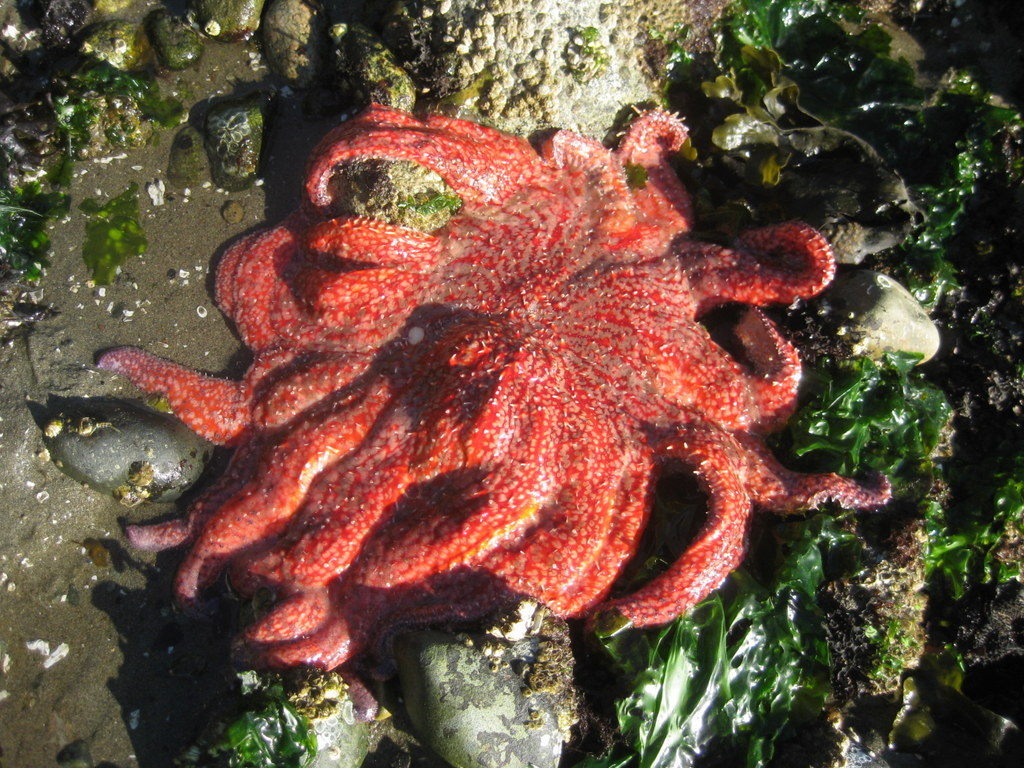
Swinomish Indian Tribal Community Releases Endangered Sea Stars Into Pacific Ocean Originally reported by NPR News. NPR News The Swinomish Indian Tribal Community released captive-bred sunflower...
Swinomish Indian Tribal Community Releases Endangered Sea Stars Into Pacific Ocean
Originally reported by NPR News. NPR News
The Swinomish Indian Tribal Community released captive-bred sunflower sea stars into the Pacific Ocean to combat a massive population collapse that decimated billions of the endangered creatures, according to NPR News.
A wasting disease fueled by warming ocean temperatures killed roughly 90% of the sunflower sea star population over the last decade. The loss of this apex predator triggered a cascade of ecological failures, allowing purple sea urchin populations to explode and destroy essential kelp forests along the West Coast.
Restoring a Keystone Predator
The reintroduction effort aims to stabilize the marine ecosystem by returning the multi-armed predators to their natural habitat. Scientists and tribal members spent years developing breeding protocols to ensure the captive-born stars could survive in the wild. According to NPR News, the sunflower sea star is one of the largest sea stars in the world, capable of growing up to three feet across.
The Swinomish Indian Tribal Community led the release as part of a broader initiative to protect traditional food sources and cultural heritage tied to the Salish Sea. The tribe views the recovery of the sea star as a critical step in maintaining the health of the entire coastal environment.
Combating Sea Star Wasting Syndrome
Sea star wasting syndrome first appeared in 2013, causing the animals to develop lesions and eventually dissolve. While the exact cause remains a subject of study, researchers linked the severity of the outbreak to rising water temperatures. According to NPR News, the sunflower sea star is now listed as critically endangered by the International Union for Conservation of Nature.
The release marks a significant milestone in marine conservation, representing the first time captive-bred sunflower sea stars have been returned to these waters. Biologists will continue to monitor the released individuals to track their growth and movement patterns.
This article is based on reporting originally published by NPR News. Channel RVA provides this coverage with additional local context for the Richmond community.