My 10 Favorite Parks in Richmond, VA (And the History Behind Them)
By Kayleigh Crandell · July 8, 2026 · 8 min read read
Category: Health & Wellness
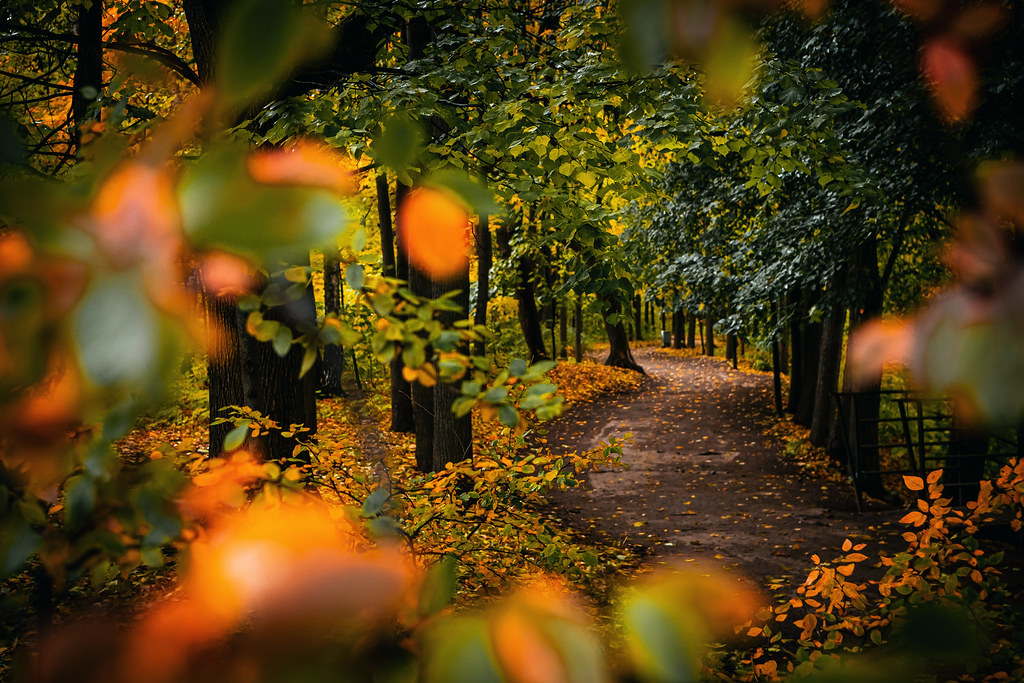
One of the coolest parts about living in Richmond is how much this city loves nature. How could we not? The James River Park system sits in the middle of our city with over 600 acres of land to...
One of the coolest parts about living in Richmond is how much this city loves nature. How could we not? The James River Park system sits in the middle of our city with over 600 acres of land to explore. I have made so many memories in Richmond parks – from my first dorm across from Monroe Park to going to Bryan Park nearly every weekend for the RVA Big Market now – the green spaces that Richmond boasts are nationally recognized and locally beloved.
July is National Parks and Recreation Month, and Richmond certainly celebrates it in a daily way all year long. The greater Richmond region holds more than 200 parks, and recently we ranked 24th out of the 100 largest U.S. cities on the 2026 Trust for Public Land ParkScore index, up from 39th in 2023.
Even better, 83% of Richmond residents live within a 10-minute walk of a park. The benefits of simply going on a walk and having a little nature in your mental health resets can be felt every single time you get outdoors. Nearly two-thirds of adults say living near a park factors into where they choose to live, and 9 in 10 have had a healthcare provider recommend time in nature for their physical or mental health.
So to celebrate, I'm sharing my ten favorite parks in the city. They're in no particular order, because asking me to rank them is like asking me to rank my friends. Top 8 died with Myspace, but nature lives forever.
Richmond's Best Parks (According to a Local + Transplant)
Bryan Park
Northside's 262-acre gem started as a gift. Belle Stewart Bryan gave the land to the city in 1910 in memory of her husband Joseph, the founder of the Richmond Times-Dispatch. The famous azalea garden came later, in 1952, when a parks superintendent planted 5,000 donated azaleas in a soggy corner of the park.
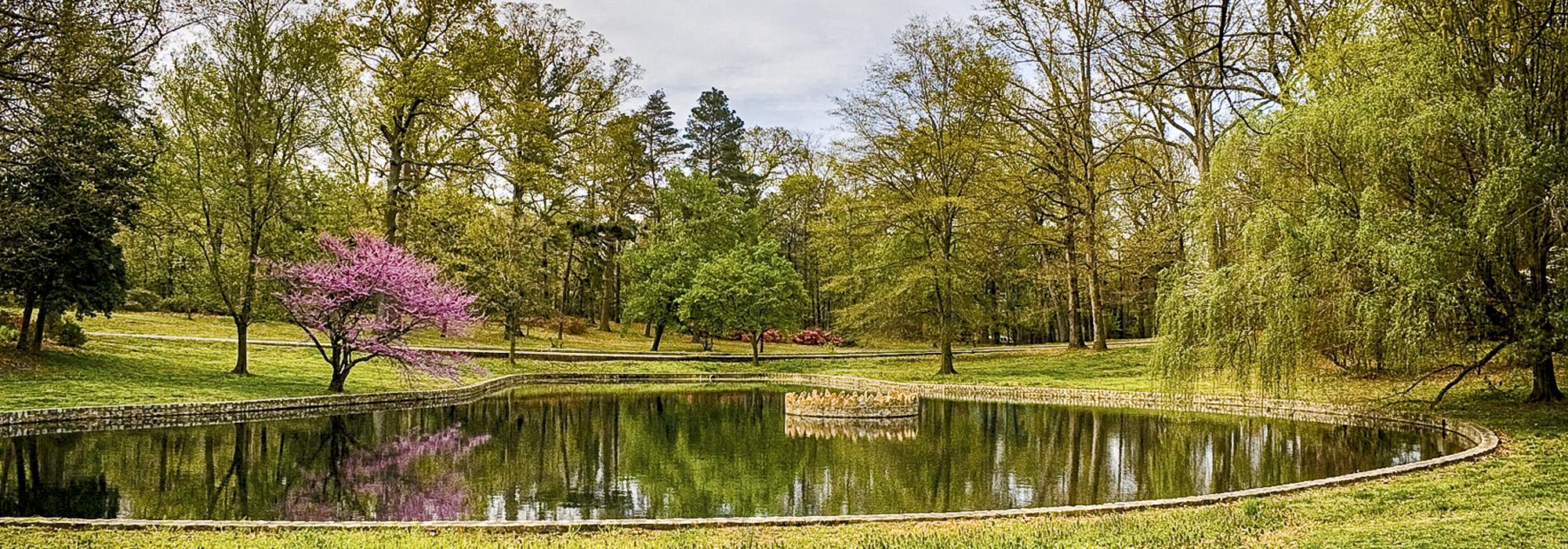
Over the next fifteen years, that garden grew to 17 acres, and every April it still pulls crowds who remember visiting with their grandmothers. The park also holds heavier history. Young's Spring, inside the park, was the 1800 planning site of Gabriel's Rebellion, one of the most significant planned slave uprisings in American history.
Today, Bryan Park is known for birdwatching, disc golf, soccer, and my personal favorite: RVA Big Market.
Battery Park
Battery Park sits between Northside's Ginter Park and Barton Heights neighborhoods, and its name comes from the Civil War gun batteries once stationed there. Today, it’s very much known for Arthur Ashe’s favorite sport: tennis!
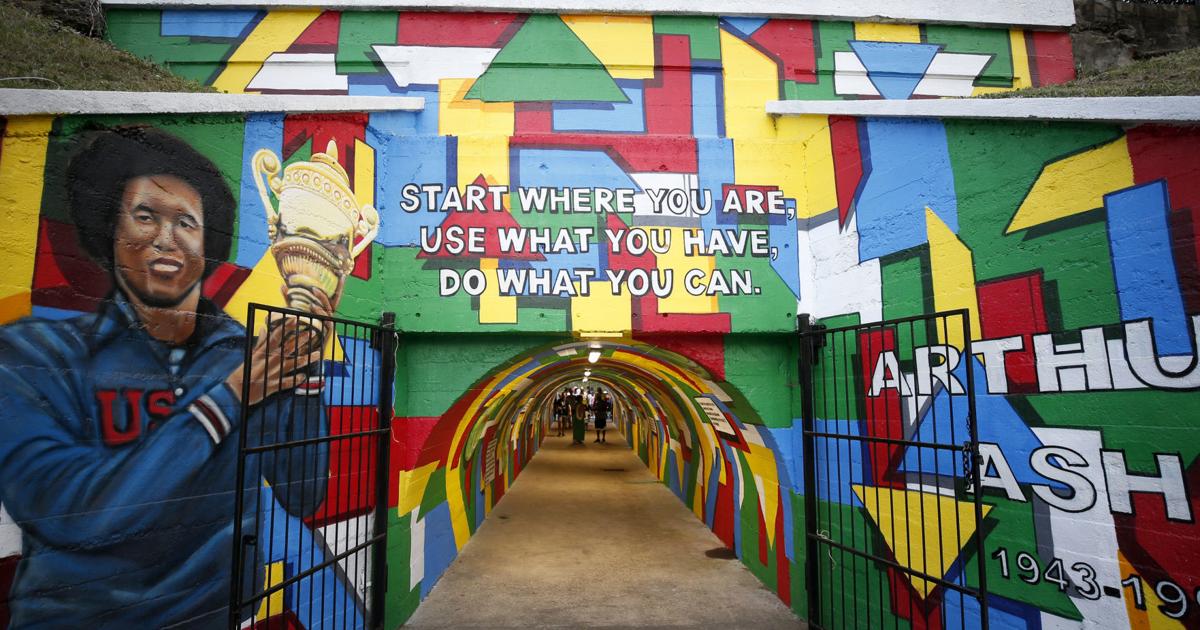
The courts carry a long connection to Richmond tennis history and to Arthur Ashe, the famous tennis champ whose name now marks the boulevard. It’s been rumored that Ashe himself learned how to play here, and he went onto be the only Black man ever to win the singles titles at Wimbledon, the US Open, and the Australian Open. Between the courts, pool, and awesome murals, Battery Park is an easy place to find community and inspiration.
Scuffletown Park
Hidden gem alert! The Fan hides this one well, and the residents like it that way. Scuffletown is a pocket park tucked behind the buildings between Strawberry Street and Stafford Avenue, dedicated in 1974 and revived by neighborhood volunteers in the late 90s.
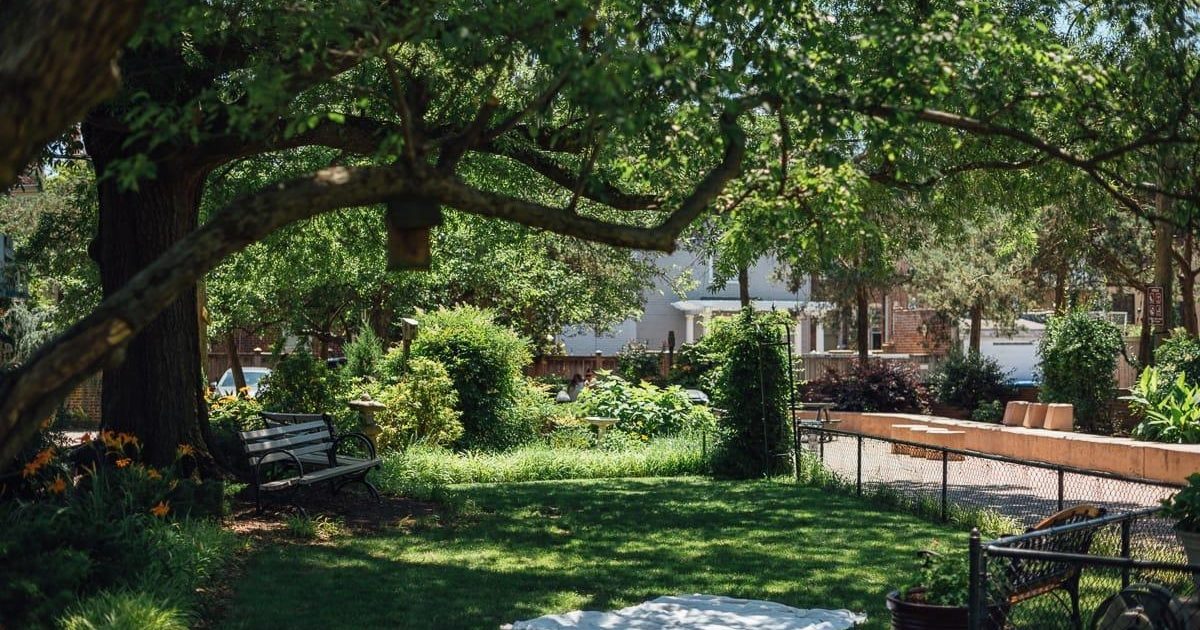
The name goes back to an 18th-century tavern on old Scuffletown Road, now Park Avenue, and a 1781 "scuffle" between the Virginia militia and British troops under Benedict Arnold. Today, the biggest conflict you'll find amongst the tight-knit Scuffletown vibe is over who gets dibs on the picnic tables.
Byrd Park
Byrd Park is the park most Richmonders grew up in without realizing how much of it there is. A whole 287 acres and three lakes makes up the Byrd Park area – including my personal favorite, Swan Lake. Once, I saw a hawk and geese get in a huge fight from across the water – I’ve never been happier to not be a bird.
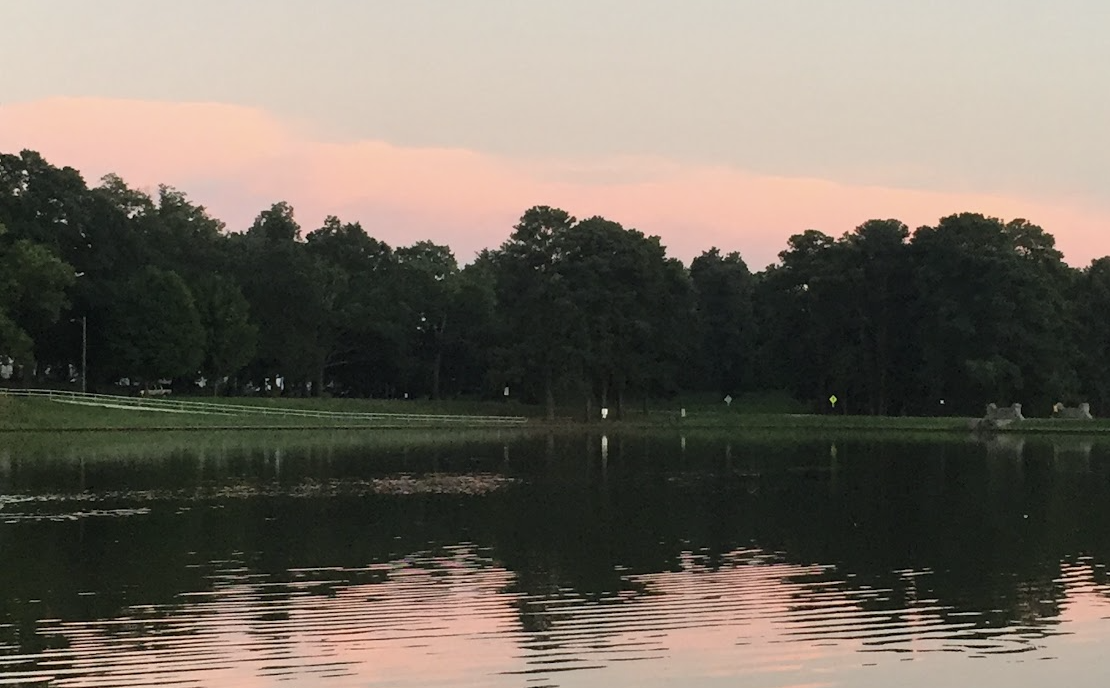
In the summer, you’ll find pedal boats on Fountain Lake, tennis courts still lit up so folks can play at night, and Dogwood Dell's free summer programming.
Rising over all of it is the World War I Memorial Carillon, a 240-foot tower holding 56 bells, built in 1932 to honor the roughly 3,700 Virginians who died in that war. I know so many people who love doing yoga here because of just how peaceful it is to be surrounded by nature and history.
Pump House Park
Richmond's strangest and most beautiful park building lives here. The Pump House, finished in 1883, pumped the city's drinking water uphill from the canal to the Byrd Park reservoir. City engineer Wilfred Cutshaw designed it in full Gothic Revival granite, then added an open-air dance hall on the second floor, directly above the machinery.
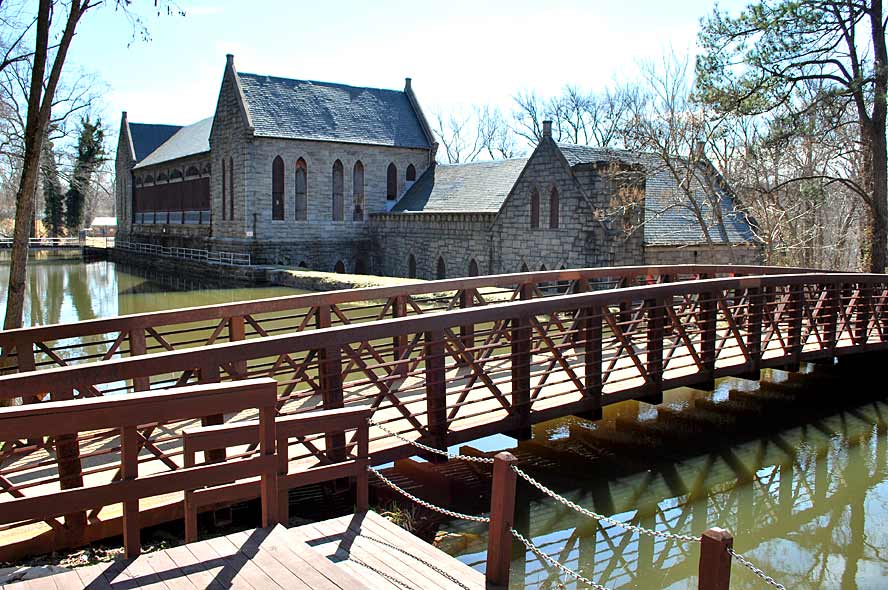
These days, Pump House is an awesome place for the perfect hybrid of nature/urban exploration – and if you’re lucky, you might find an underground dance party down the trail here.
Forest Hill Park
From 1890 to 1932, Forest Hill Park was an actual amusement park, with a carousel, a roller coaster, a penny arcade, and a dance hall at the end of the Forest Hill trolley line. The Depression closed it, and the city converted the 105 acres into the wooded park Southside loves today.
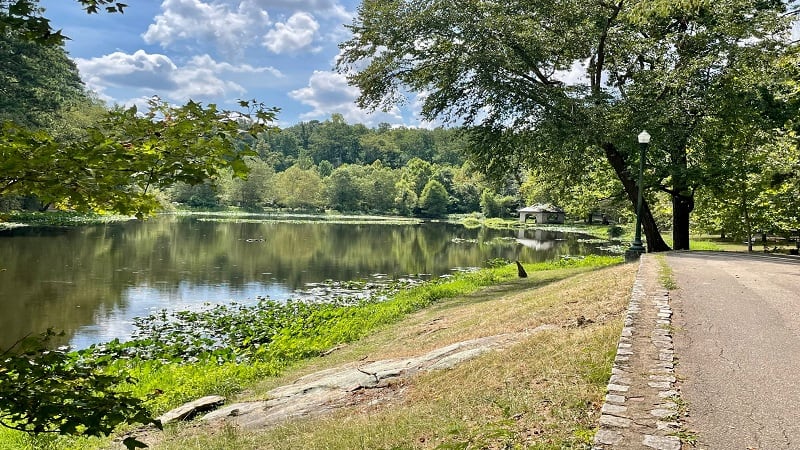
I really, really wish I could have seen the amusement park for myself – but even still, I’m always amused when I get into a deep walk here – especially for the South of the James farmers market that happens every Sunday.
Libby Hill Park
The overlook at Libby Hill carries a nickname: "The View That Named Richmond." The story goes that William Byrd II looked down at the bend in the James from this bluff and saw a near match for the view of Richmond upon Thames in England, so in 1737, he named his new settlement after it.
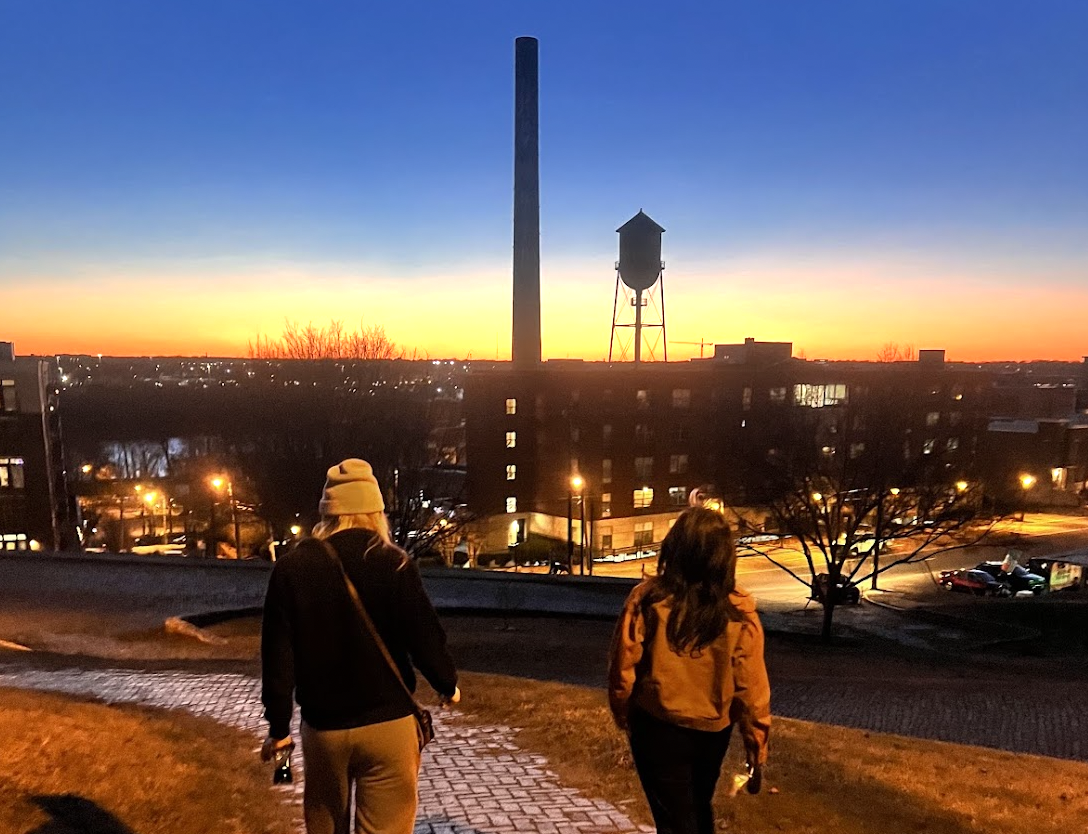
The park itself dates to 1851, one of the three original parks in Richmond's system, created to give residents "breathing space." The sunset crowd up there proves the idea still works 175 years later.
Jefferson Park
Union Hill's high ground gives Jefferson Park one of the best westward views of the downtown skyline. It’s one of the most romantic, FREE dates you could ever go on in the city.
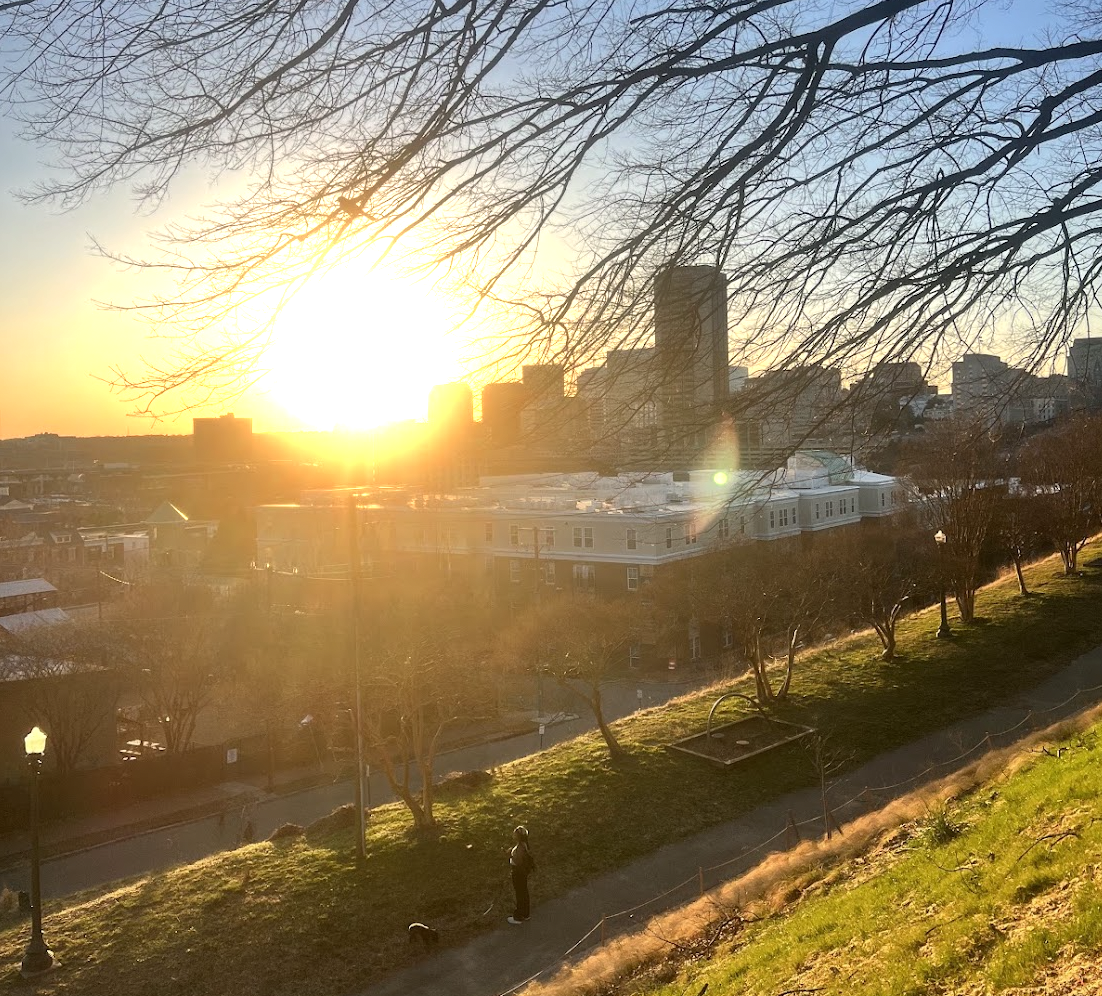
The government bought the land in 1887, back when locals still called it Doing's hill after the family who built a brick home there in 1813. The park also touches one of Richmond's most haunting stories: a plaque near the sealed 18th Street entrance of the Church Hill tunnel commemorates the 1925 collapse that buried a steam locomotive and its crew below the hill.
Abner Clay Park
This four-acre park anchors the western edge of Jackson Ward and carries the name of a man who earned it. Abner Clay helped found the organization now known as the Historic Jackson Ward Association in 1964 and led it for nine years, fighting for the neighborhood through decades when the city was more concerned with redlining and keeping up segregation, whether by law or by individual (racist) action.
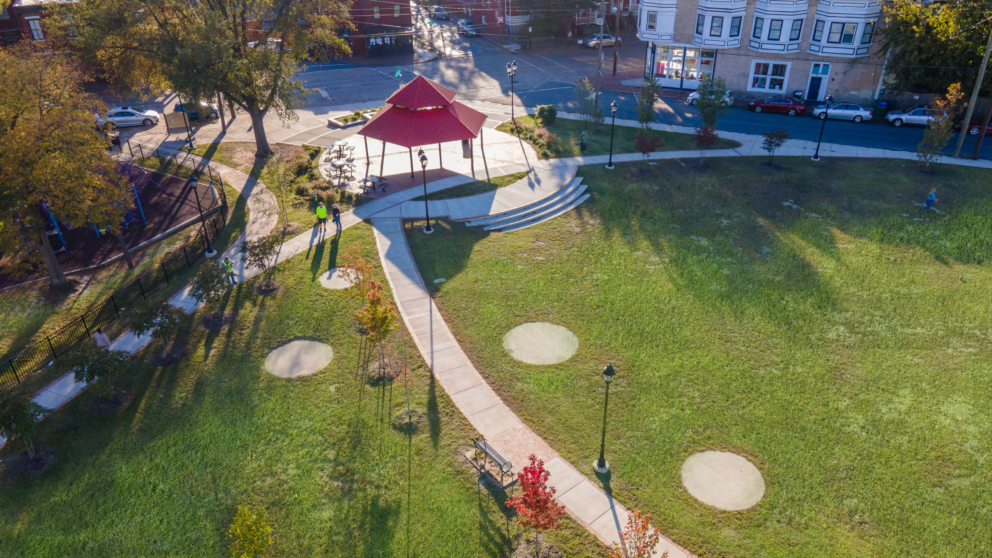
The park, once the sports field for Armstrong High School, was dedicated in his honor in 1980. It's still doing what he wanted the neighborhood to have: hosting festivals, music, kids on the playground, and pickup games in the heart of what was once called the Harlem of the South.
Monroe Park
Richmond's oldest park, and my college stomping ground, closes this list. Richmond city bought the land in 1851, and before a single path was paved it served as state fairgrounds, a Confederate training camp, and a military hospital. Plus, some of the city's earliest baseball games were played here in 1866.
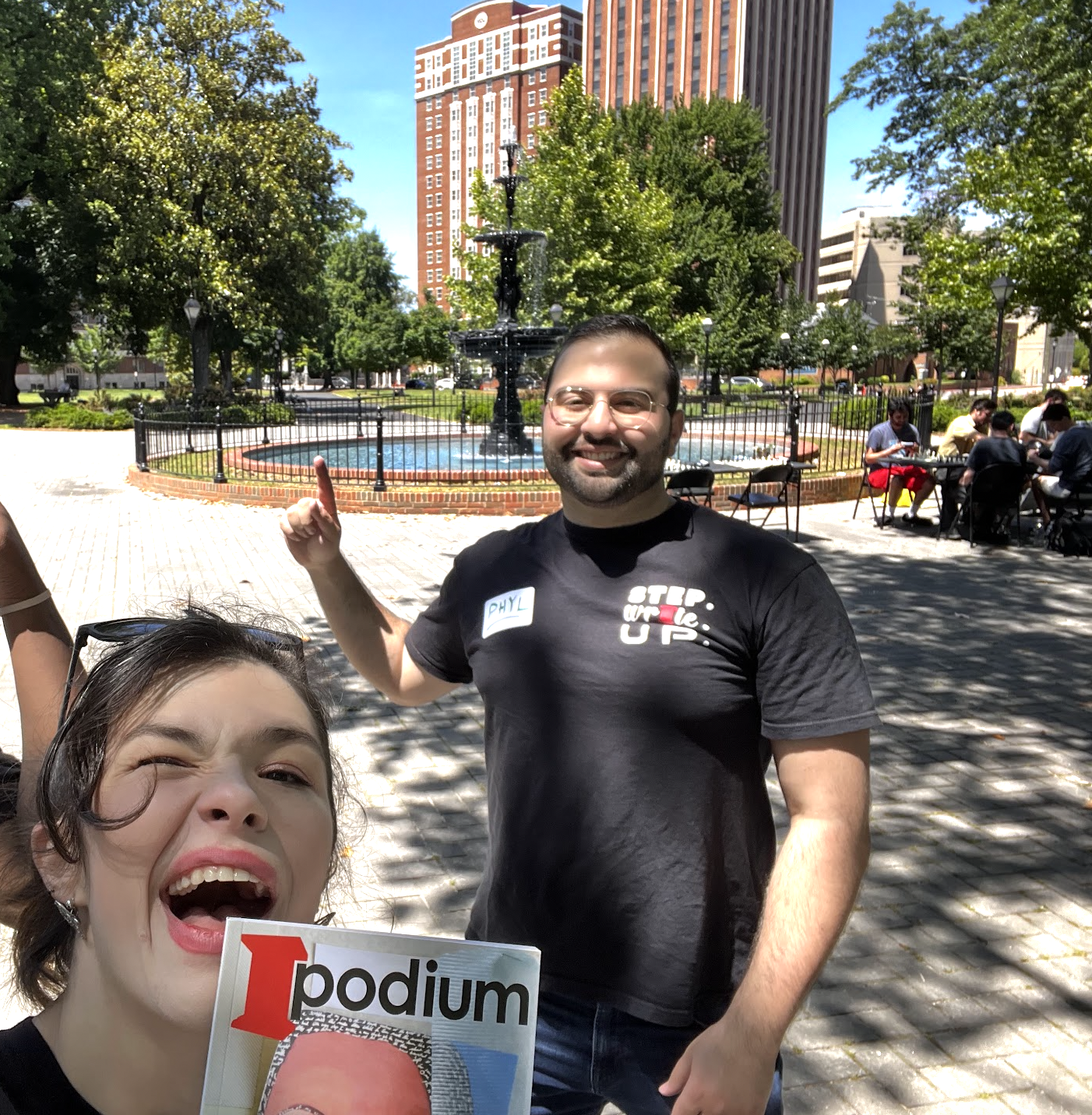
When I was enrolled at VCU, Monroe Park was closed for several years for renovations. Though many critiqued it as gatekeeping for the homeless population that frequented the park full of great shady trees, it is open once more for the entire community to enjoy.
The paths of Monroe Park radiate out from a cast-iron fountain toward VCU's campus on every side, which makes Monroe Park one of the few places where students, downtown workers, tourists, Altria Theater attendees, and longtime residents all cross the same lawn daily.
Get Out There
When I started researching parks and recreation, I found some stats that really stuck with me.
When the NRPA surveyed park visitors, 99% said they feel some sense of belonging in their parks.
Parks and rec agencies across the country reach more than 40 million kids a year through youth sports and programs
Our very own 600-acre James River Park System draws more than 2 million visitors annually.
Thank you to everyone who contributes to Richmond parks: the city, the workers, the “friends of” park systems, and the families who always make sure to clean up their litter to make sure others can enjoy these parks on every visit.
This summer, I encourage you to grab a friend, grab the dog, or just grab a book, and go find your favorite park. Then tell me about it, because this list has room to grow.