Global Temperature Data Confirms August Was the Hottest Month on Record
By Billy Briefman · September 10, 2026 · 2 min read read
Category: For Curious People
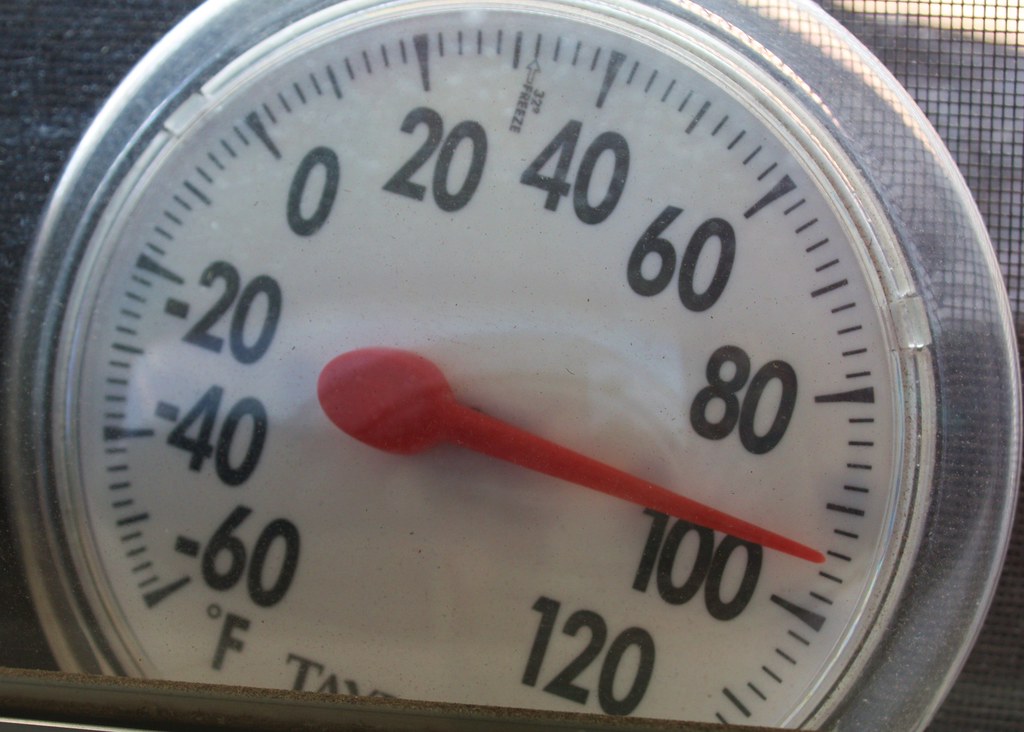
Scientists Confirm August as Earth’s Hottest Month on Record Scientists identified August 2026 as the hottest month ever recorded on Earth since global temperature measurements began, marking a...
Scientists Confirm August as Earth’s Hottest Month on Record
Scientists identified August 2026 as the hottest month ever recorded on Earth since global temperature measurements began, marking a significant escalation in rising global temperature trends.
Originally reported by NPR News. NPR News
Data from international climate monitoring agencies confirms that this August surpassed all previous temperature benchmarks for the same month in history, according to NPR News. The record-breaking heat highlights a continuing trend of rising global temperatures.
Global Temperature Benchmarks
Researchers tracked surface air temperatures and ocean heat levels to reach this conclusion. The findings indicate that the month did not just break the record, but did so by a significant margin compared to the previous high set in recent years, according to NPR News.
Climate scientists attribute the extreme heat to a combination of long-term climate change and specific atmospheric patterns. The report notes that these elevated temperatures affected both the Northern and Southern Hemispheres, leading to heatwaves and unusual weather patterns across multiple continents.
Impact of Rising Heat
The record temperatures coincide with a year that many experts believe will become the warmest year on record overall. According to NPR News, the sustained heat creates additional pressure on global ecosystems and human infrastructure.
Scientists continue to monitor these shifts as they assess the long-term implications for global weather stability. The data suggests that the frequency of such record-breaking months will likely increase if current environmental trends persist, according to NPR News.
This article is based on reporting originally published by NPR News. Channel RVA provides this coverage with additional local context for the Richmond community.