Targeting a Victim: The Trump Administration and the Politics of Selective Accountability
By Will Melton · May 30, 2026 · 4 min read read
Category: News & Politics
Tags: Opinion, Restoring Accountability
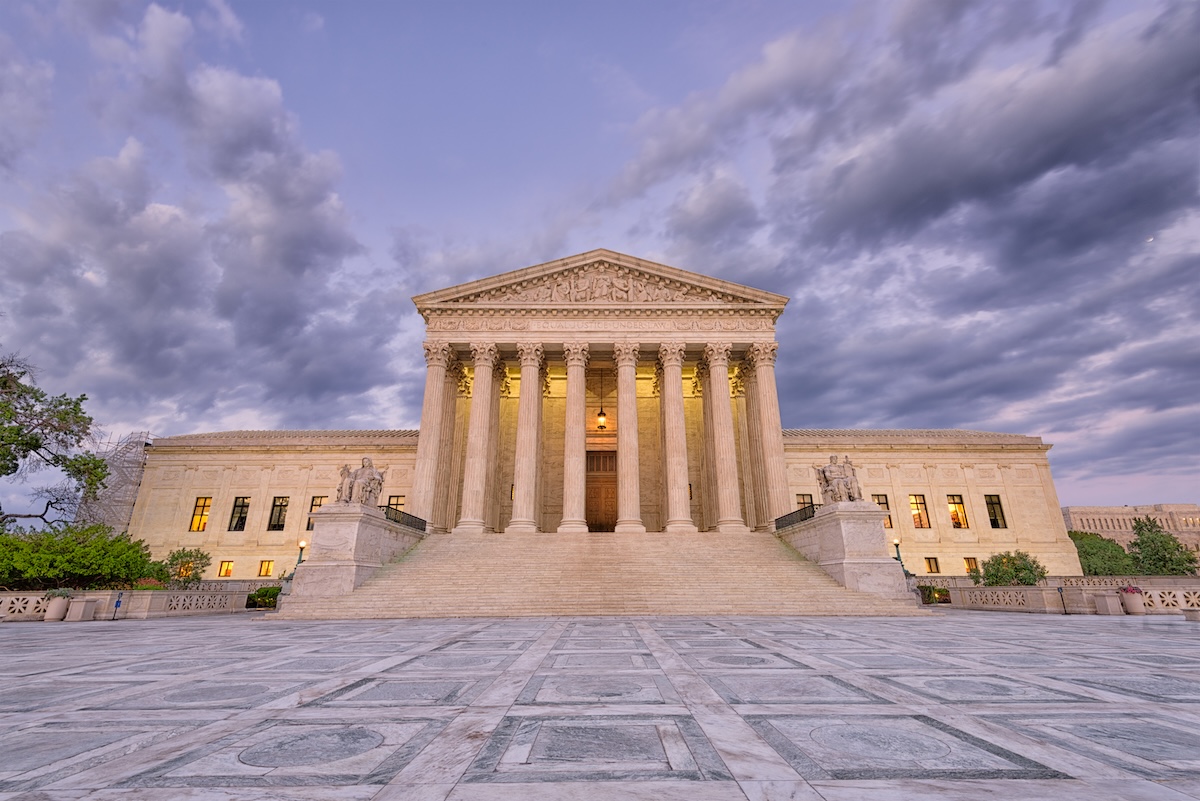
Two juries found Donald Trump liable for assaulting and defaming E. Jean Carroll. The DOJ's response was to investigate her. Part one of an ongoing Channel RVA series on accountability in American politics.
RESTORING ACCOUNTABILITY | Part One
This is the first in an ongoing Channel RVA series on accountability in American politics. We start here because this week demands it.
Two juries found Donald Trump liable for sexually assaulting and defaming E. Jean Carroll. She was awarded $88 million in damages across two separate verdicts. The legal system worked exactly as designed.
The Trump Justice Department's response was to open a criminal investigation into Carroll.
The pretext is tidy: Carroll may have lied under oath about outside funding for her legal bills. Reid Hoffman helped pay them. And so the story migrates, predictably, from a vindicated victim to a billionaire Democrat — which is precisely what the administration needed it to do. Carroll becomes a footnote in someone else's scandal. The DOJ's targeting of a sexual assault victim becomes a footnote in a money laundering inquiry. Nothing to see here.
That reframe is the strategy, and recognizing it is the beginning of understanding what's actually happening.
Since Citizens United in 2010, the political right has built one of the most sophisticated private-money-in-politics infrastructures in American history. Dark money networks. The Federalist Society's decades-long judiciary project. PACs operating at a scale that reshaped federal elections and the composition of the Supreme Court itself. The legal theory underwriting all of it: money is speech, and spending it is protected political expression. That argument won. The infrastructure it justified works.
But the doctrine has an asterisk that nobody voted on. When Democratic donors fund legal challenges — through legitimate nonprofit structures, producing actual jury verdicts — it becomes money laundering. When a sexual assault victim accepts help paying her lawyers, it becomes a federal criminal matter. When progressives use the courts, Republicans call it lawfare. When Republicans use the courts — including, currently, Trump's own appeal to the Supreme Court to overturn both Carroll verdicts — they're protecting constitutional rights.
Republicans coined "lawfare" to delegitimize every legal challenge to Trump as politically motivated. The word did its job. But the Federalist Society's coordinated campaign to place ideologically aligned judges in lifetime federal appointments across thirty years is the most consequential legal influence operation in modern American history. That was never called lawfare. It was called judicial philosophy.
The asymmetry here isn't incidental. It's structural. And the Carroll investigation reveals its sharpest edge.
Private citizens and nonprofits have finite resources. A federal criminal investigation, even a baseless one, can consume those resources entirely just in defense costs. The federal government has no such constraint. It can sustain a harassment campaign indefinitely against any individual it chooses to target. The investigation doesn't need to produce a conviction to succeed. The investigation is the punishment. The headlines are the punishment. The legal bills are the punishment. The chilling effect on everyone else who might consider funding opposition legal work — that is the punishment.
Courts and civil society organizations are among the few remaining mechanisms capable of checking executive power when Congress chooses not to. This administration has spent considerable energy targeting both. The Carroll investigation, the pursuit of New York AG Letitia James, the earlier attempts against James Comey — these are not isolated cases. They form a coherent posture: accountability is permissible only when it flows in one direction.
What makes the Carroll case clarifying is precisely that it carries no political ambiguity. She was a victim. She pursued justice through legitimate channels. She won. The government of the man a jury found liable for assaulting her is now investigating her. If that doesn't illustrate the collapse of equal accountability under law, nothing will.
The question this series intends to keep asking is the one that follows from all of this:
What is it going to take to restore accountability in American politics and society?
Because selective accountability — the kind that protects power and punishes those who challenge it — is not accountability at all. It's control wearing accountability's clothes. And until enough people are willing to name that clearly, and consistently, and loudly, the gap between what our institutions are supposed to do and what they're actually doing will keep widening.
We'll be here asking the question either way.
Will Melton is the founder of Channel RVA and CEO of Xponent21, a Richmond-based digital marketing and AI agency. He writes on civic life, technology, and accountability in American society.