New State Laws Bring Modest Oversight to Richmond's Booming Data Center Industry
By Billy Briefman · March 18, 2026 · 4 min read read
Category: News & Politics
Tags: Data Centers
Originally reported by AP Virginia (Google News). AP Virginia (Google News) New state laws bring modest oversight to Richmond data centers Virginia lawmakers passed several bills during the 2024...
Originally reported by AP Virginia (Google News). AP Virginia (Google News)
New state laws bring modest oversight to Richmond data centers
Virginia lawmakers passed several bills during the 2024 General Assembly session to increase transparency for data centers while rejecting stricter limits on where companies build the massive facilities.
The legislative push follows the expansion of data centers from Northern Virginia into the Richmond metro area. While these projects provide tax revenue for localities like Henrico and Chesterfield, they strain the electrical grid and consume millions of gallons of water. According to a report by the Virginia Mercury, the new laws focus on studying these impacts rather than imposing immediate restrictions on industrial growth near residential neighborhoods or historic landmarks.
Transparency wins over siting restrictions
Legislators at Capitol Square prioritized data collection over direct regulation this year. One successful measure requires data center operators to provide detailed information regarding their energy consumption and the environmental impacts of water-cooling systems. According to the Virginia Mercury, this transparency aims to help state planners understand how the industry affects Virginia’s long-term climate goals and utility rates.
However, the General Assembly showed less appetite for bills that would have mandated specific distances between data centers and private homes or public parks. Several proposals seeking to protect sensitive environmental sites failed to advance past the "crossover" deadline in February. This outcome leaves land-use decisions to local boards of supervisors, who often balance resident complaints against the promise of industrial tax dollars.
The industry views RVA as a primary expansion zone. Henrico County’s White Oak Technology Park and Chesterfield County’s Meadowville Technology Park already host major facilities for companies like Meta and Google. As "Data Center Alley" in Loudoun County reaches power capacity, developers increasingly look toward the James River basin for available land and infrastructure.
Environmental and infrastructure concerns
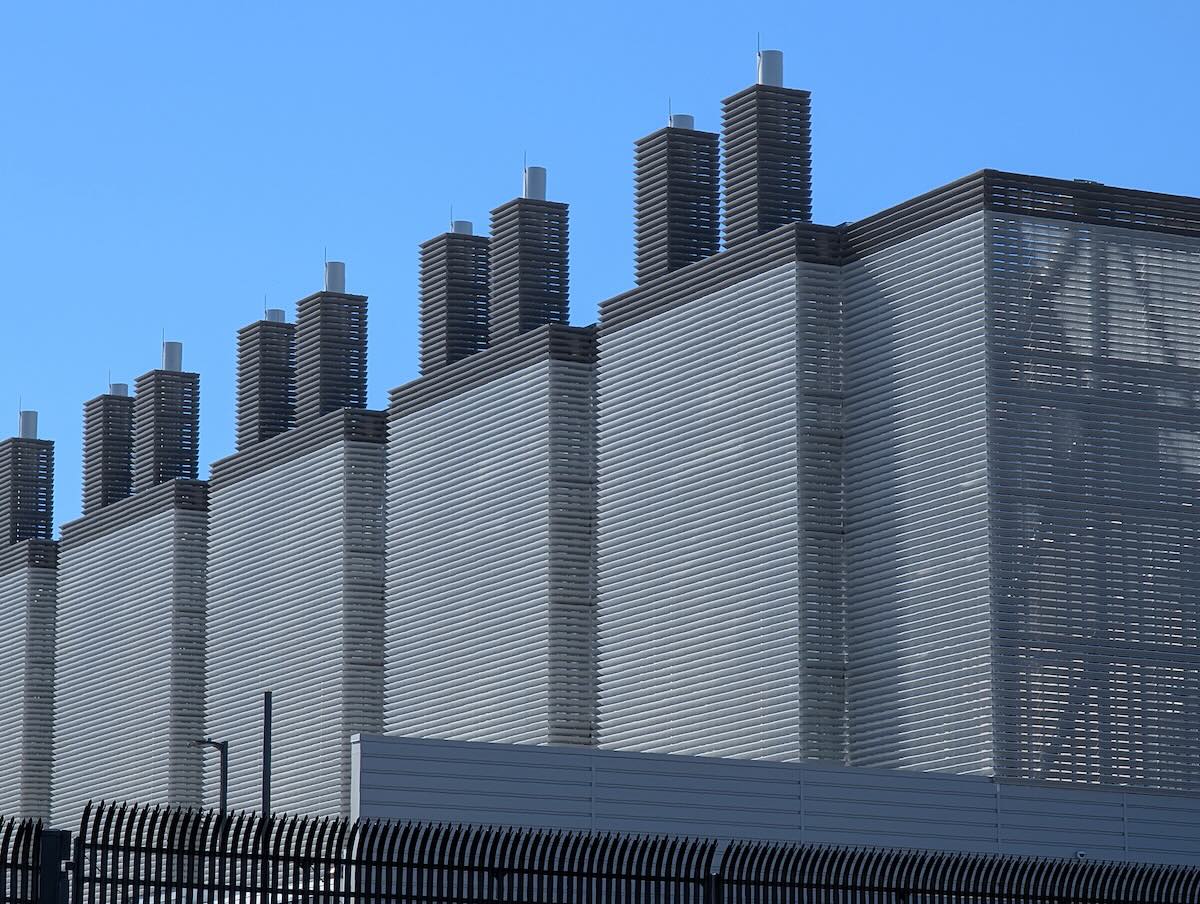
The scale of these buildings introduces challenges to the urban and suburban landscape. Beyond their size, data centers require constant cooling and massive amounts of electricity. This demand forces utility providers like Dominion Energy to reconsider infrastructure plans for RVA, often leading to the construction of new high-voltage transmission lines and substations.
The Science Museum of Virginia has previously highlighted how large industrial footprints contribute to the "urban heat island" effect. These concrete structures absorb and radiate heat, potentially raising local temperatures in surrounding neighborhoods. While the new legislation mandates studies on these impacts, it does not yet require developers to implement specific mitigation strategies like green roofs.
Noise pollution also remains a point of contention for residents in areas like Short Pump and Glen Allen. Cooling fans and backup generators create a persistent hum that can carry into nearby residential pockets. According to the Virginia Mercury, while some bills aimed to address noise mitigation, the final legislative package focused more on the macro-level issues of power and water usage than the immediate sensory impact on neighbors.
The road ahead for Richmond localities
The failure of stricter siting bills means that local governments in Henrico, Chesterfield, and Powhatan must navigate these developments without a state-mandated buffer. Local officials often argue that data centers are quiet neighbors because they generate high tax yields with minimal impact on school systems or traffic compared to residential subdivisions. However, the volume of electricity they require has sparked a debate about who pays for grid upgrades—the tech giants or the average RVA ratepayer.
Advocacy groups like the Piedmont Environmental Council and the Sierra Club tracked the 2024 session closely. These organizations argued that the state needs a cohesive strategy to prevent industrial sprawl from encroaching on the Commonwealth’s historic and natural resources. For now, the General Assembly has opted for a "wait and see" approach, favoring further study by state agencies before enacting hard limits on where the industry can grow.
Most of the non-emergency legislation passed during this session will take effect on July 1, 2024. As these new transparency requirements kick in, RVA residents may get a clearer picture of the cost of the digital infrastructure rising in their backyards. The tension between economic development and community preservation remains unresolved, ensuring that data centers will likely dominate the legislative calendar again in 2025.
This article is based on reporting originally published by AP Virginia (Google News). Channel RVA provides this coverage with additional local context for the Richmond community.