Why Your Best People Aren't Working as Hard as You Think with Bryan Powell
August 25, 2026 · 0:00 read
Category: Business & Economy
Show: New Generation Leader
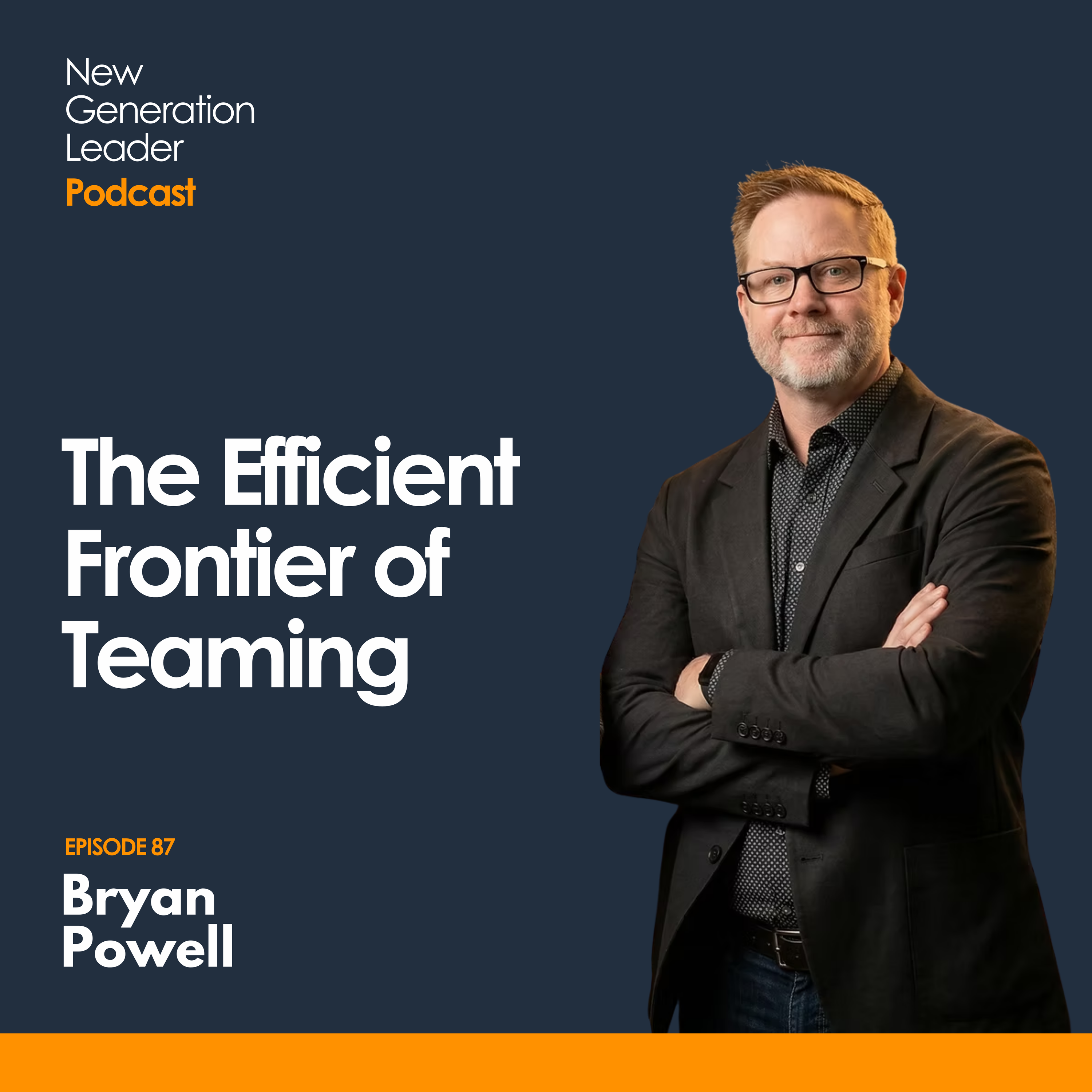
Bryan Powell was inside Wells Fargo when the fraud broke, watching leaders point to a word painted across the cafeteria wall that turned out to mean nothing. Bryan and Aaron get into what actually happens inside a high-performing team that looks aligned on paper, why the qualitative side of leadersh
<p>Bryan Powell was inside Wells Fargo when the fraud broke, watching leaders point to a word painted across the cafeteria wall that turned out to mean nothing.</p><p></p><p>Bryan and Aaron get into what actually happens inside a high-performing team that looks aligned on paper, why the qualitative side of leadership gets dismissed as fluff until it isn't, and how Bryan's own shift from a command-and-control "whiteboard coach" to someone who trusts his team changed the way he leads.</p><h3>Show outline</h3><ul><li>00:56 A team's slow erosion under command and control</li><li>05:30 Why one offsite conversation never changes behavior</li><li>09:29 Why your team isn't wired like you</li><li>12:34 Inside The Efficient Frontier of Teaming</li><li>15:49 What gets missed before you blame the person</li><li>19:06 From whiteboard coach to team coach</li><li>25:16 The mirror, reverse mentoring, and your first step</li></ul><h3>Takeaways</h3><ol><li><b>Command and control shows up as commitment to the leader, and as exhaustion to everyone else.</b> The Chicago leader who worked every weekend couldn't understand why his team wouldn't match his hours.</li><li><b>A personality assessment only earns its keep when it's mapped across the whole team, not filed in a drawer.</b> The map reveals decision-making and process gaps a single offsite never surfaces.</li><li><b>Before removing an underperformer, ask what expectations, coaching, and support were actually set.</b> Most performance problems get blamed on the person instead of the onboarding that never happened.</li><li><b>The most useful move a coach or leader can make is often not a solution, but a mirror.</b> Helping someone see what they can't see about themselves changes behavior in a way telling them what to do never does.</li></ol><h3>Resources mentioned</h3><ul><li><a rel="noopener noreferrer nofollow" href="https://www.amazon.com/dp/163680568X?tag=newgenerat066-20" target="_blank">The Efficient Frontier of Teaming</a> by Bryan Powell and Tom Reynolds</li><li><a rel="noopener noreferrer nofollow" href="https://www.amazon.com/dp/1400069289?tag=newgenerat066-20" target="_blank">The Power of Habit</a> by Charles Duhigg</li><li><a rel="noopener noreferrer nofollow" href="https://www.amazon.com/dp/0066620996?tag=newgenerat066-20" target="_blank">Good to Great</a> by Jim Collins</li><li>Bryan Powell's, "<a rel="noopener noreferrer nofollow" href="https://www.forbes.com/councils/forbescoachescouncil/2020/06/29/are-you-a-whiteboard-coach/" target="_blank">Are You a Whiteboard Coach?</a>" [Forbes]</li></ul><h3>Connect with Bryan Powell</h3><ul><li><a rel="noopener noreferrer nofollow" href="https://www.theefficientfrontierofteaming.com/" target="_blank">Website</a></li><li><a rel="noopener noreferrer nofollow" href="https://www.linkedin.com/in/bryan-powell-pcc-executive-coaching-space" target="_blank">LinkedIn</a></li></ul><h3>Connect with Aaron Lee</h3><ul><li><a rel="noopener noreferrer nofollow" href="https://www.linkedin.com/in/aaronleeco" target="_blank">LinkedIn</a></li></ul>